Why Your Car Hesitates When Shifting Gears
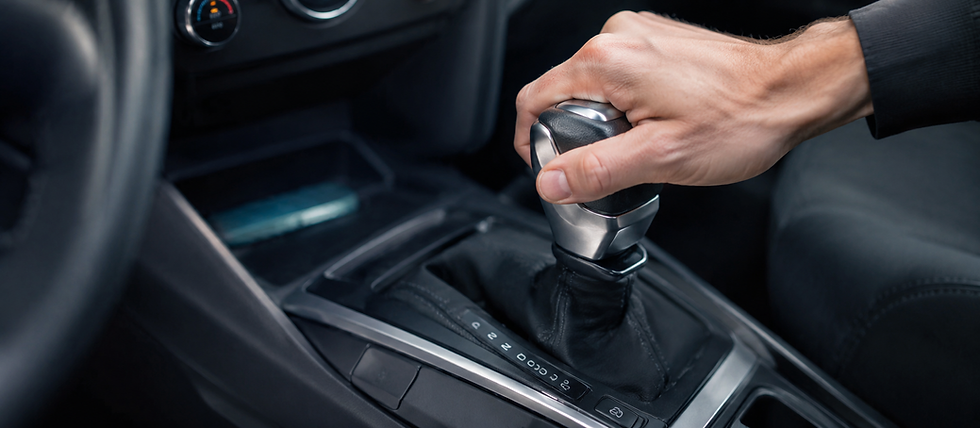
An example of the situation below would be pressing the accelerator but having the car slow to move forward and also slow to shift gears. This situation can be especially frustrating when merging with or driving in highway traffic.
This issue will develop into a larger mechanical problem if you do not pay attention to the warning signs and schedule car repair Tulsa, OK as soon as possible. According to the Car Care Council, about 77% of cars inspected during Car Care Month needed repairs.
Regular inspection can reveal transmission problems before they require costly repairs. This blog examines the necessary reasons why your car hesitates when shifting gears.
Why Does A Car Hesitate When Shifting Gears?
The function of the transmission system is the transfer of power generated by the car’s engine to the wheels. It does not matter whether you have a car with an automatic or manual transmission; in either case, all gear shifts need to happen smoothly and evenly.
Delays in diagnosing transmission shifting problems lead to additional wear within the transmission system. Timely identification of the reason allows you to avoid serious repairs.
Low Or Contaminated Transmission Fluid
The first and very common reason for automatic transmission hesitation is contaminated or low transmission fluid. The liquid performs several functions, including lubricating moving parts, reducing temperature, and providing the hydraulic pressure needed for smooth gear changes.
With age, transmission fluid loses its properties and becomes contaminated with metal particles. Common low transmission fluid symptoms include:
Delayed acceleration.
Sounds of grinding or whining.
Rough shifting.
Burning smell.
Transmission fluid leakage.
Most transmission fluid problems develop slowly and can go unnoticed by the driver until shifting problems become more pronounced. Checking the transmission fluid during routine maintenance is one of the easiest ways to keep your transmission system in good condition.
Wear Of Transmission Components
Parts inside the transmission system naturally wear out over time. Clutches, seals, bands, and gears work under constant friction during driving. Symptoms of worn transmission components may include:
Delayed gear shifting.
Transmission slip.
Strange sounds.
Unstable acceleration.
Poor overall vehicle performance.
These are common transmission slipping symptoms and must not be neglected. Further driving with worn transmission parts increases the risk of additional internal transmission damage. A technician can pinpoint the issue through specialized testing, whether it requires replacing individual parts or performing more complex repairs.
Faulty Transmission Solenoid
Electric solenoids control hydraulic fluid pressure in modern automatic transmissions.
A faulty transmission solenoid can delay gear engagement because it cannot properly regulate hydraulic fluid.
Common symptoms include:
Gear shifting delay.
The car is stuck in one gear.
Harsh engagement.
Unexpected downshift.
Poor fuel economy.
Replacing the solenoid is much cheaper than rebuilding the entire transmission system.
Worn Clutch Components
In vehicles with a manual transmission, a worn clutch can cause similar problems.
Inefficient energy transfer from the engine to the transmission occurs when parts become worn.
There are some indications:
Difficulties in gear changes.
Transmission slipping.
High RPM with no acceleration.
Transmission overheating.
Shaking during start.
Even though wearing clutch components is natural, neglecting repairs causes additional damage to the transmission.
Problems With Electronic Sensors
Modern cars use various sensors to control shifting. The sensors monitor the following values:
Engine load.
Vehicle speed.
Throttle position.
Transmission temperature.
If the transmission control module receives incorrect data, the shifting will be performed erroneously. In most cases, the check engine light transmission warning is accompanied by problems with shifting.
Although this warning does not necessarily mean transmission failure, it cannot be neglected. Professionally performed diagnostics allows identifying faulty sensors without unnecessary repairs of other car parts.
The Car Jerks When Shifting Gears
When a car jerks during a shift, many drivers assume the transmission is completely dead. But it is not necessarily the case. It might be caused by:
Dirty transmission fluid.
Faulty solenoids.
Software calibration issues.
Engine performance problems.
Internal transmission wear.
Worn mounts.
Since many systems affect the shifting process, performing a thorough inspection is the most efficient way to determine the cause.
Problems With Gearbox Changing Could Jeopardize Your Safety
Although many consider hesitation merely an irritation, gearbox shifting issues can become dangerous.
Delay in acceleration could occur when:
Moving onto the highway.
Turning the corner at the intersection.
Overtaking other cars.
Driving up steep roads.
Unexpected hesitation can leave drivers without enough power when they need it most. Performing immediate repairs will help restore normal performance and increase driving satisfaction.
Importance of Car Transmission Diagnostics
Modern transmissions are highly computerized.
Instead of guessing which part has gone bad, professional technicians perform car transmission diagnostics to pinpoint the exact problem.
A complete inspection involves the following procedures:
Testing using the electronic scan tool.
Fluid inspection.
Road testing.
Hydraulic pressure testing.
Leak inspection.
Sensors examination.
Accurate diagnostics will help to save time and money on unnecessary repairs.
Transmission Maintenance Tips To Save From Costly Repairs
Many transmissions fail due to neglect.
To prevent this, follow these helpful transmission maintenance tips:
Check transmission fluïd regularly.
Follow the service schedule recommended by the vehicle manufacturer.
Do not tow excessive weight.
Fix any leaks immediately.
Warm up the transmission in cold weather.
Take action upon seeing warning dashboard lights.
Schedule routine inspections.
Preventive maintenance is almost always cheaper than transmission replacement.
The Reasons Behind The Transmission Hesitation Problem
Several mechanical and electronic problems may cause transmission hesitation. Common causes of transmission hesitation include:
Contaminated or low transmission fluid.
Faulty transmission solenoids.
Transmission wear.
Sensor failures.
Software problems.
Clutch wear.
Hydraulic pressure problems.
Since all symptoms look similar, professional testing is the fastest way to get an accurate diagnosis.
When To Visit A Repair Shop?
You should visit a repair shop if you notice:
Delayed acceleration after shifting gears.
Hard or rough gear changes.
Unusual smells.
Slipping between gears.
Fluid leaks.
Grinding noises.
Dashboard warning lights.
Doing repairs in time may help avoid costly, severe transmission failures.
Get Optimal Car Performance By Regularly Maintaining the Gear Transmission System
Transmission problems usually do not go away on their own. Fixing hesitation early can help you avoid a small repair turning into a full transmission rebuild, while keeping your vehicle safe and reliable.
With professional transmission repair services and accurate diagnostics, you can maintain your transmission in good condition. If you experience hesitation, slipping, or hard gear changes, it is better to make an appointment with an experienced professional auto repair Tulsa, OK, to prevent costly future repairs.



Comments